Blog Copywriting for Florists: Turn Website Visitors Into Orders and Event Clients
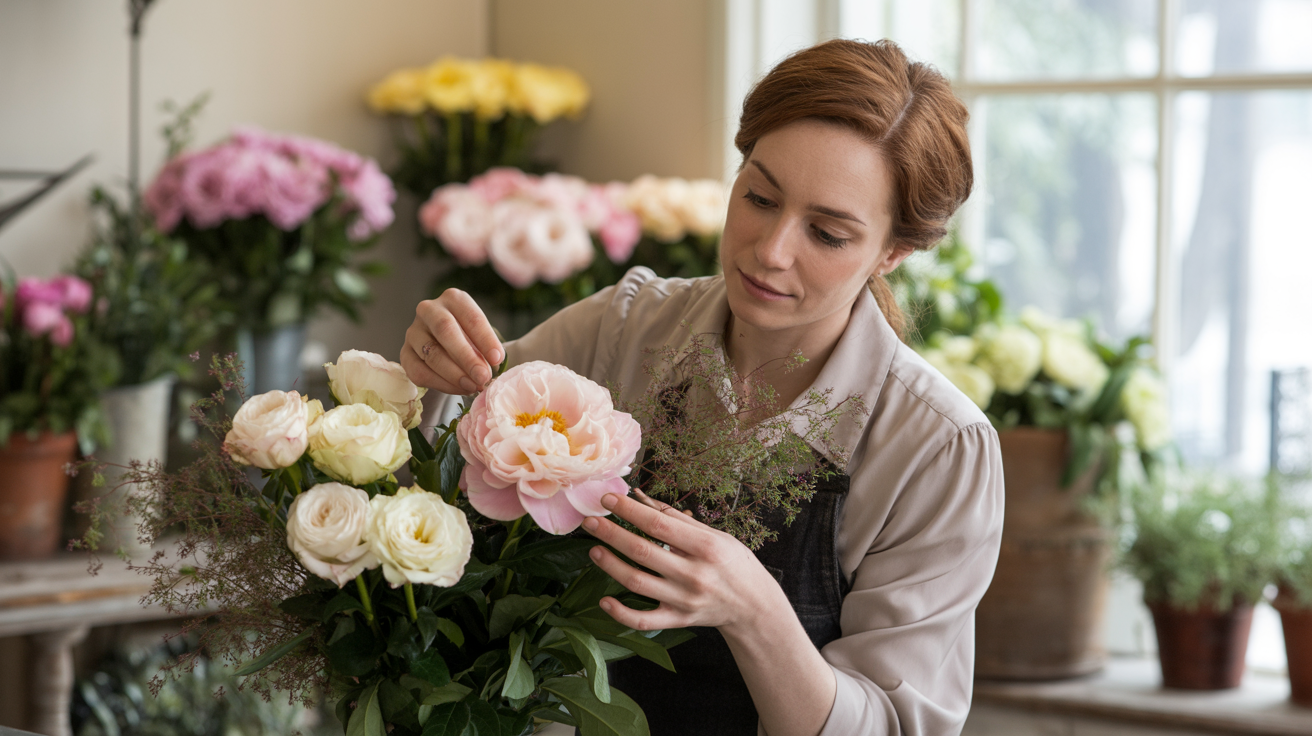
Your arrangements turn flowers into emotions—sympathy into comfort, celebration into joy, love into something tangible and beautiful.
But your website is just a catalog.
Product photos. Price lists. “Order by 2pm for same-day delivery.” These elements are necessary but not sufficient. They don’t capture why your arrangements are worth more than the grocery store bouquet or the online flower delivery service.
Here’s the challenge: flowers are purchased for emotional moments—love, grief, celebration, apology. Your content needs to connect with those emotions while showcasing your artistry and making ordering easy.
This guide shows you how to write content that does both—connecting with customers emotionally while positioning you as the florist for their important moments.
Why Most Florist Websites Fail
Here’s the typical pattern:
A florist builds a website with product categories (bouquets, arrangements, plants), photos, prices, and delivery information.
The result: A website that competes on convenience and price with 1-800-Flowers and grocery store floral departments. Customers don’t see why to choose you.
The problem: Online ordering has commoditized flowers. Your website needs to communicate what makes a local artisan florist different—and worth the premium.
When someone visits your site, they’re asking:
- Will these flowers look as good in real life as in the photos?
- Can you create something unique, not just standard arrangements?
- Will they arrive fresh and on time?
- Why should I pay more than the cheap online option?
- Can you help me for my wedding/event?
Product catalogs don’t answer these questions. They just compete on price.
The Emotion-First Framework
Flowers are purchased for emotional moments. Your content should connect with those emotions:
1. Acknowledge the Moment, Not Just the Product
Every flower purchase has a story:
Product-focused: “Sympathy arrangements starting at $75.”
Emotion-focused: “When words fail, flowers speak. Our sympathy arrangements offer comfort and beauty during the hardest moments—designed to honor your loved one and bring a moment of peace to those grieving.”
The second version connects with why they’re buying, not just what.
2. Show the Artistry Behind the Arrangement
What separates you from mass-market flowers:
- Your design process and philosophy
- How you source quality blooms
- What makes your arrangements unique
- The difference between artisan and assembly-line flowers
- Your training, experience, and creative approach
Positioning yourself as an artist, not just a vendor, justifies premium pricing.
3. Make Event Planning Feel Easy
Wedding and event work is often the most profitable. Make it accessible:
- What working with you looks like
- How you develop custom designs
- What to expect in consultations
- How you handle day-of logistics
- Stories from events you’ve done
Event content attracts high-value clients.
Want the complete system for local business content? Get the free training to see how content builds customer connection.
What Flower Customers Actually Want
Before adding more products, understand your customers:
They’re marking important moments. Birthdays, anniversaries, new babies, sympathy, romance. The flowers matter because the moment matters.
They want it to feel special. A unique arrangement says more than something obviously ordered online. They want the recipient to feel the thought behind it.
They’re often anxious. Will it arrive on time? Will it look good? Will the recipient love it? Reassurance matters.
Event clients need guidance. Brides and event planners often don’t know what’s possible. They need inspiration and confidence in your expertise.
They’re comparing you to easy options. Why drive to a florist or wait for a call-back when you can order online in 30 seconds? You need to show the value.
Blog Post Templates for Florists
Template 1: The Occasion Guide Post
Help customers choose for specific moments.
Structure:
- Acknowledge the emotional context (100 words)
- What flowers communicate in this situation (150 words)
- Recommendations by budget or relationship (200 words)
- Personalization options that add meaning (150 words)
- Delivery and presentation tips (100 words)
- CTA for this occasion (50 words)
Example titles:
- “Sympathy Flowers: What to Send and What the Arrangements Mean”
- “Anniversary Flower Guide: Beyond the Dozen Red Roses”
- “New Baby Flowers: What to Send New Parents”
Why it works: Captures customers searching for specific occasions. Demonstrates thoughtfulness.
Template 2: The Behind-the-Scenes Post
Show your artistry and process.
Structure:
- Brief intro to your approach (100 words)
- How you design/create arrangements (200 words)
- How you source quality flowers (150 words)
- What makes artisan different from mass-market (150 words)
- Your design philosophy (100 words)
- CTA for custom work (50 words)
Example titles:
- “How We Create Custom Arrangements: A Behind-the-Scenes Look”
- “Where Your Flowers Come From: Our Sourcing Story”
- “What Makes a Florist-Designed Arrangement Different”
Why it works: Justifies premium pricing through transparency. Shows the craft behind the product.
Template 3: The Wedding/Event Post
Attract high-value event clients.
Structure:
- Acknowledge event flower planning is overwhelming (100 words)
- How to start thinking about event flowers (200 words)
- What the consultation process looks like (150 words)
- Budget considerations and what affects pricing (150 words)
- Questions to ask any florist you’re considering (100 words)
- CTA for event consultation (50 words)
Example titles:
- “Wedding Flowers: A Complete Planning Guide”
- “How Much Do Wedding Flowers Cost? A Realistic Breakdown”
- “Working With a Florist for Your Event: What to Expect”
Why it works: Captures brides and event planners researching. Positions you as expert guide.
Template 4: The Seasonal/Trend Post
Stay relevant and inspire customers.
Structure:
- What’s beautiful/available this season (150 words)
- Trending styles and colors (150 words)
- How to incorporate seasonal flowers (200 words)
- Care tips for seasonal varieties (100 words)
- Why in-season flowers are better/more affordable (100 words)
- CTA for seasonal arrangements (50 words)
Example titles:
- “Spring Flower Guide: What’s Blooming and Beautiful Right Now”
- “Wedding Flower Trends for [Year]: What Brides Are Choosing”
- “Fall Arrangement Ideas: Beyond Chrysanthemums”
Why it works: Provides ongoing content opportunities. Shows expertise and currency.
Content Strategy for Florists
Balance Everyday and Event Content
Two different customer types need different content:
Everyday customers:
- Occasion guides (birthday, sympathy, romance)
- Same-day delivery information
- Care tips for recipients
- Seasonal recommendations
Event clients:
- Wedding planning guides
- Budget breakdowns
- Consultation process
- Portfolio and real event stories
Both represent valuable revenue streams.
Compete on Experience, Not Just Product
You can’t out-convenience 1-800-Flowers. Compete differently:
- Personal service and consultation
- Custom designs vs. standard arrangements
- Local delivery with care vs. shipped boxes
- Artistry and quality vs. assembly-line
- Relationship vs. transaction
Content that emphasizes experience justifies your pricing.
Tell Stories From Real Events
Event work especially benefits from storytelling:
- Feature real weddings (with permission)
- Show the transformation from consultation to finished event
- Include client quotes about working with you
- Demonstrate range with different styles and budgets
Stories inspire and build confidence.
For related approaches, see copywriting for wedding planners and copywriting for event planners.
Common Mistakes Florists Make
Mistake 1: Just a product catalog
Photos and prices without story or emotion. Show the meaning behind the arrangements.
Mistake 2: Competing on convenience
You’ll never beat Amazon or 1-800-Flowers on convenience. Compete on quality and experience.
Mistake 3: Hiding event services
Wedding and event work is often most profitable. Make it prominently accessible.
Mistake 4: No personality
Flowers are personal. Generic corporate content doesn’t build the connection customers want.
Mistake 5: Ignoring the emotion
People buy flowers for emotional reasons. Content that only describes products misses the point.
Your Next Step
You became a florist because flowers bring beauty and meaning to life’s moments.
Your content should communicate that artistry—connecting with customers’ emotional needs, showing what makes your work special, and making it easy to trust you with their important occasions.
Start with one occasion guide for your most common customer need. Show you understand what they’re trying to express with flowers.
Watch what happens when customers find content that makes them think, “This florist actually understands why this matters.”
Related Guides
- Blog Copywriting for Wedding Planners — Event industry marketing
- Blog Copywriting for Event Planners — Related services
- Blog Copywriting for Photographers — Creative services marketing
Ready to build a floral business that attracts customers who value artistry? See the complete Blogs That Sell system—the methodology for creative businesses that want to compete on quality, not price.
Or start with the free training to get the core framework today.

About the Author
John Fawkes is a veteran copywriter with over 15 years of experience helping businesses turn attention into action through clear, persuasive writing. He writes about copy, psychology, and what actually moves people to buy.
Want More Posts Like This?
Get the free training that shows you how to write blog posts that rank AND convert.
Get the Free TrainingContinue Reading
Blog Copywriting for Event Planners: Turn Website Visitors Into Booked Events
Your event planning skills are exceptional but your website looks like every competitor's portfolio. Learn how to write content that attracts ideal clients, demonstrates your expertise, and generates bookings for corporate events, galas, and celebrations.
Blog Copywriting for Acupuncturists: Turn Website Visitors Into Patients
Your acupuncture practice delivers real results but your website doesn't overcome skepticism. Learn how to write content that educates curious visitors, builds trust with hesitant prospects, and generates appointments.
Blog Copywriting for Dermatologists: Turn Website Visitors Into Patients
Your dermatology expertise is deep but your website sounds like a medical encyclopedia. Learn how to write content that connects with patients, builds trust, and generates appointments for both medical and cosmetic services.