The Soap Opera Sequence: Russell Brunson's Email Framework That Turns Subscribers Into Buyers
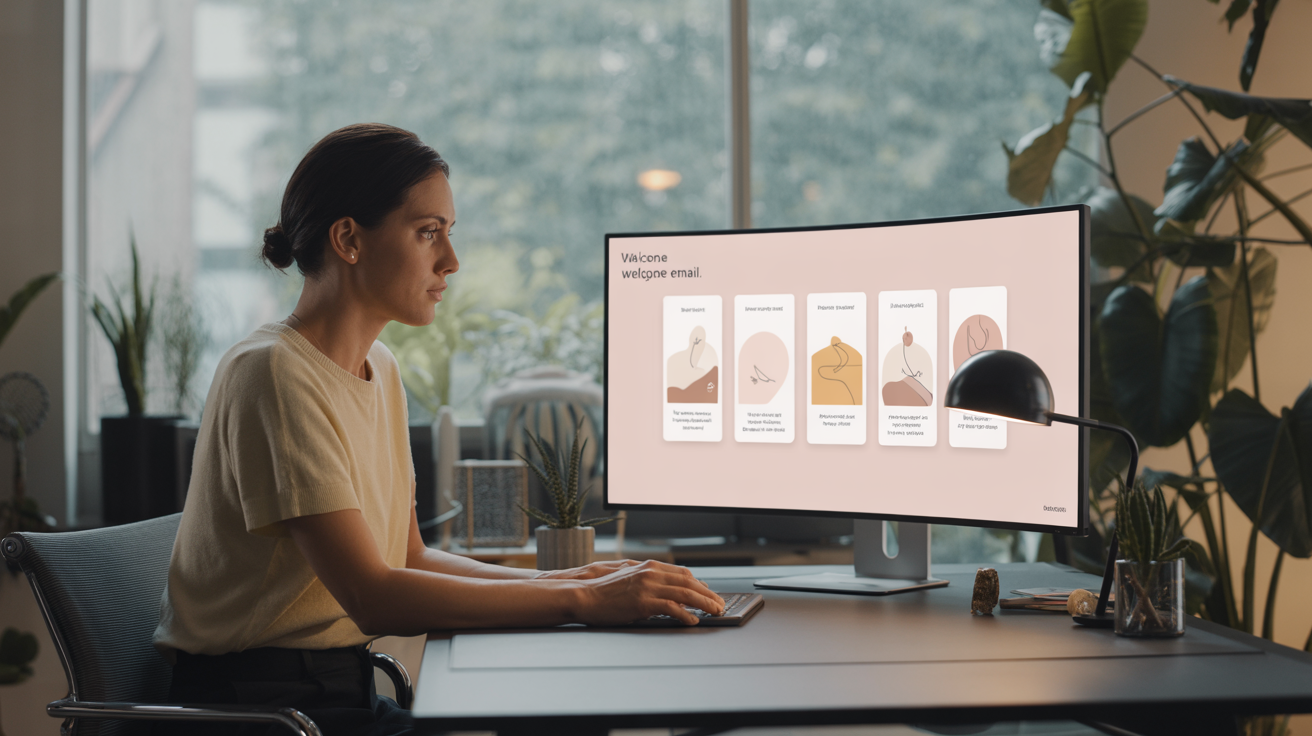
Your welcome sequence is probably boring.
Day 1: “Here’s your freebie!” Day 2: “Did you download it?” Day 3: “Here are some tips…” Day 4: Crickets.
Subscribers tune out by email three. By the time you pitch something, they’ve forgotten you exist.
Russell Brunson’s Soap Opera Sequence fixes this. It’s a five-email framework that hooks readers like a TV drama—each email ending with a cliffhanger that makes them want the next one.
Instead of sending information, you’re telling a story. And stories sell.
What Is the Soap Opera Sequence?
The Soap Opera Sequence (SOS) is a five-email welcome series that uses storytelling and open loops to build engagement and drive sales.
It’s called “Soap Opera” because it borrows from the same psychology that kept viewers hooked on daytime dramas for decades:
- Relatable characters with problems
- Emotional drama that creates investment
- Cliffhangers that demand resolution
- Ongoing storylines that build over time
Instead of educating subscribers to death, you’re pulling them into a narrative—with you (or your customer) as the protagonist.
Want more frameworks for content that converts? Get the free training—it’s the system behind everything we teach.
The Five Emails
Email 1: Set the Stage
Purpose: Introduce yourself, deliver the lead magnet, and open a story loop.
Structure:
- Thank them for subscribing
- Deliver what they signed up for
- Briefly introduce who you are
- Hint at a story you’ll tell tomorrow
- Create curiosity (open the loop)
Example opening: “Your [lead magnet] is attached. But before you dive in, I want to tell you something.
I almost didn’t create this. In fact, two years ago, I was ready to quit [topic] entirely. I was broke, burned out, and convinced I’d picked the wrong path.
Tomorrow, I’ll tell you what changed everything. It wasn’t what I expected.”
Key element: The cliffhanger. You’ve delivered value, but you’ve also planted a question they need answered.
Email 2: High Drama / Backstory
Purpose: Tell your origin story—specifically, your lowest point and the wall you hit.
Structure:
- Dive into the story you teased
- Describe your “before” state vividly
- Show the struggle, the pain, the frustration
- Hit rock bottom (the dramatic low point)
- End with another cliffhanger
Example: “Two years ago, I was sitting in my car in a parking lot, staring at my phone.
My bank account had $347 in it. My credit cards were maxed. I’d just been told my biggest client was leaving—the one paying 60% of my bills.
I’d done everything ‘right.’ Built the website. Posted on social media. Created content. Networked at events. None of it was working.
I was 34 years old, and I felt like a complete failure.
That night, I almost deleted my business email and started applying for jobs. But then something happened that changed everything.
I’ll tell you what it was tomorrow.”
Key element: Vulnerability. Let them see you (or your character) at your worst. This builds connection and makes the transformation believable.
Email 3: Epiphany / The Turn
Purpose: Reveal what changed—the insight, discovery, or shift that turned things around.
Structure:
- Continue the story from the cliffhanger
- Reveal the epiphany or turning point
- Explain the new understanding
- Show the first signs of change
- Connect it to what you now teach/offer
- Another cliffhanger
Example: “That night in my car, I got a text from an old colleague.
‘Hey, saw your post. Can I give you some feedback?’
What she told me over coffee the next morning rewired my brain. It was so simple I almost dismissed it.
She said: ‘You’re creating content for people who already know what they want. But most people don’t know what they want—they know what they’re afraid of.’
That one sentence changed everything.
I stopped writing ‘helpful tips’ and started writing about pain. About fear. About the things people worry about at 2am.
My first post using this approach got more engagement than my last 20 combined.
But that was just the beginning. What happened over the next 90 days still seems unreal to me. I’ll share the results tomorrow.”
Key element: The epiphany itself should feel like a revelation—something they haven’t heard before. This is where you introduce your unique insight.
For more on crafting this moment, see the Epiphany Bridge framework.
Email 4: Hidden Benefits / Results
Purpose: Show the transformation and results—plus benefits they might not expect.
Structure:
- Share the results of applying the epiphany
- Include specific numbers and outcomes
- Reveal “hidden benefits” they didn’t anticipate
- Position your offer as the vehicle for this transformation
- Build toward the pitch
Example: “Ninety days after that coffee conversation, my business was unrecognizable.
My email list had grown from 800 to 4,200 subscribers. Not from ads—from content that finally resonated.
Revenue had tripled. But here’s what surprised me most:
The clients were different. Before, I attracted people who needed convincing, who haggled on price, who questioned every decision. Now, people were showing up already sold. ‘I read your posts. I get it. How do we start?’
I didn’t expect that. I thought I was just learning better marketing. But I was actually filtering for better clients.
That hidden benefit was worth more than the revenue.
Everything I learned in those 90 days, I turned into a system. It’s the same system I’ve now used with 200+ clients.
Tomorrow, I’ll share how you can use it too. I have something for you.”
Key element: The hidden benefits. Show outcomes beyond the obvious. This builds desire for the full transformation, not just the surface result.
Email 5: The Pitch
Purpose: Make your offer. Direct, clear, with urgency.
Structure:
- Brief recap of the journey
- Introduce your offer
- Explain what’s included
- Handle objections
- Create urgency
- Clear call to action
Example: “Over the past few days, I’ve shared my story—from nearly quitting to building a business that runs on content that actually converts.
The framework behind it all is what I teach in [Course Name].
Here’s what’s inside: - [Key component 1] - [Key component 2] - [Key component 3]
This isn’t theory. It’s the exact system I used to [result] and have since taught to [number] others.
If you’ve been creating content that gets compliments but not clients, this will fix that.
[Details on offer, pricing, guarantee]
The doors close [deadline/scarcity element].
[Button: Get Access Now]”
Key element: Confidence. You’ve built the relationship. You’ve proven you understand their problem and have a solution. Now make the ask directly.
Why the Soap Opera Sequence Works
Open Loops Create Compulsion
The human brain hates unfinished stories. When you end an email mid-narrative, subscribers feel genuine tension. They need to know what happens next.
This is the same psychology that makes people binge Netflix shows at 2am.
Story Beats Information
Facts are forgettable. Stories are sticky. When you wrap your teaching in narrative, subscribers remember it—and remember you.
Vulnerability Builds Trust
Sharing your lowest moments creates connection. It shows you’re human, you’ve struggled, and you’ve overcome. That’s relatable. That’s trustworthy.
The Journey Creates Desire
By the time you pitch, subscribers have been on an emotional journey with you. They’ve seen the before, the struggle, the transformation, the results. They want that journey for themselves.
Adapting the Soap Opera Sequence
If You Don’t Have a Personal Story
Use a client story instead. The framework works the same:
- Day 1: Introduce the client and tease their struggle
- Day 2: Their rock bottom
- Day 3: What changed for them
- Day 4: Their results and hidden benefits
- Day 5: How you helped them (and can help your subscriber)
For B2B or “Boring” Industries
The drama doesn’t have to be dramatic. It can be:
- A project that almost failed
- A client relationship that was on the rocks
- A business problem that seemed unsolvable
- A shift in thinking that changed results
Professional contexts have drama too. Find it.
Timing Variations
Classic timing: One email per day for five days.
Alternatives:
- Days 1-3 daily, then gap before Day 4-5
- Every other day for longer anticipation
- Based on email opens (if Day 2 isn’t opened, resend before Day 3)
Common Soap Opera Sequence Mistakes
No cliffhangers: Ending emails with complete thoughts. Always leave something open.
Too much teaching: This isn’t a course. Save the education for after they buy. SOS is about story and desire.
Inauthentic struggle: Made-up or exaggerated drama feels fake. Use real struggles, even if they’re smaller.
Weak pitch: After four emails of story, some people get shy on Day 5. Don’t. Make a clear, confident offer.
No scarcity: Without urgency, people delay. Add a deadline, limited spots, or expiring bonus.
Your Next Step
Map out your story:
- What was your lowest point related to what you teach?
- What was the turning point?
- What unexpected benefits followed?
Then write your five emails. Even if they’re rough, having the sequence written beats having nothing.
One story, well told over five days, will outsell months of “valuable content.”
For a complete guide to all persuasion frameworks, see Copywriting Frameworks.
For a complete guide to email marketing, see The Email Copywriting Guide.
Ready to master the frameworks that make content convert? See the complete Blogs That Sell system—the methodology for content that turns subscribers into customers.
Or start with the free training to get the core framework today.

About the Author
John Fawkes is a veteran copywriter with over 15 years of experience helping businesses turn attention into action through clear, persuasive writing. He writes about copy, psychology, and what actually moves people to buy.
Want More Posts Like This?
Get the free training that shows you how to write blog posts that rank AND convert.
Get the Free TrainingContinue Reading
Copy That Nurtures: How to Move Cold Leads to Ready Buyers
Most leads aren't ready to buy today. Learn how to write nurture copy that builds relationship, establishes authority, and moves prospects from 'maybe someday' to 'take my money'—without being pushy.
Copy That Pre-Sells: How to Warm Up Prospects Before the Pitch
The best selling happens before the sales page. Learn how to write pre-sell copy that builds beliefs, creates desire, and makes prospects ready to buy before you ever ask them to.
7 Email Copywriting Myths That Are Tanking Your Open Rates
Most email advice is outdated or wrong. Short subject lines, avoiding sales, and the 'perfect send time' are costing you clicks. Here's what actually works.