How to Turn Your Blog Into a Sales Funnel
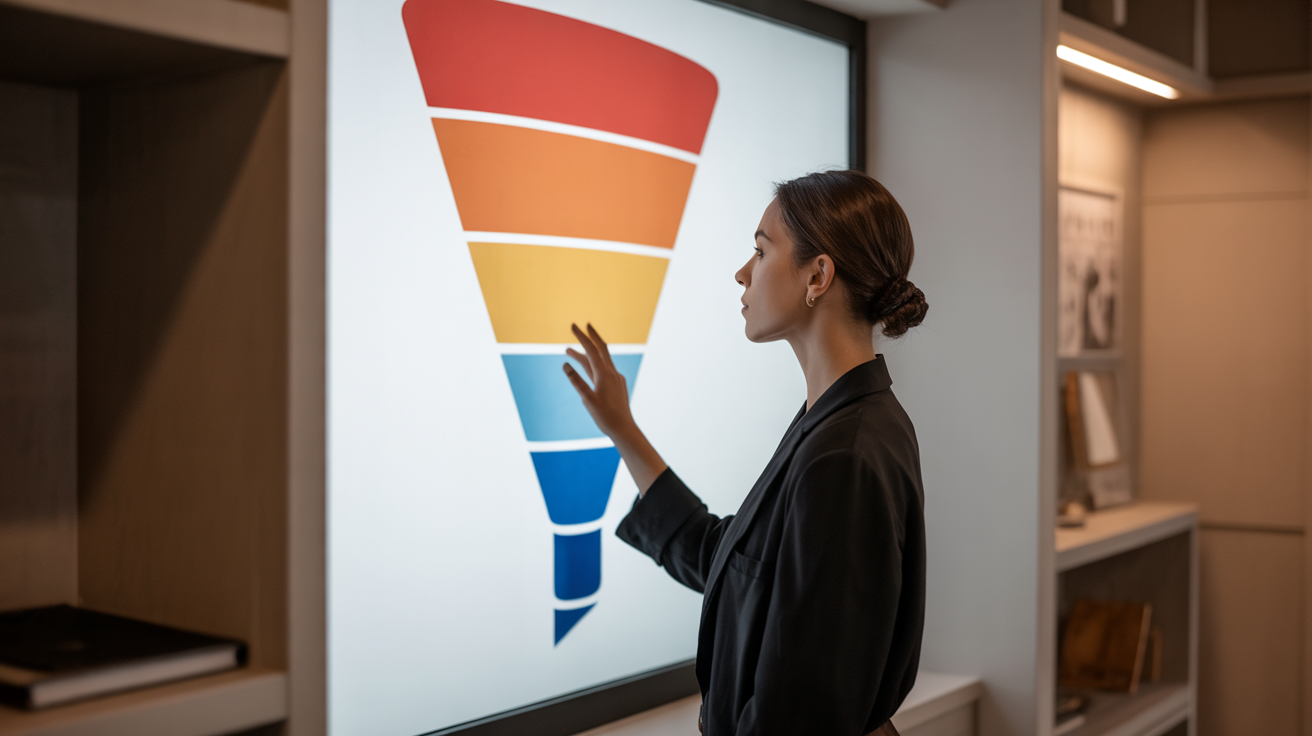
Your blog isn’t a funnel. It’s a library.
People wander in, browse a few articles, maybe bookmark something, and leave. No email captured. No relationship built. No path to purchase.
You’re creating content. But content without architecture is just noise.
A blog that makes money isn’t a collection of posts. It’s a system.
A system that attracts the right readers, earns their trust, captures their information, and guides them toward buying. Every piece of content serves a purpose. Every post connects to the whole.
That’s what a blog-as-funnel looks like. And that’s what this guide will show you how to build.
Why Most Blogs Don’t Function as Funnels
Let’s diagnose the problem.
A typical blog operates like this:
- Come up with topic ideas
- Write helpful content
- Publish and promote
- Hope something good happens
There’s no strategy connecting the content. No journey for the reader. No system for turning attention into action.
The result? Random acts of content marketing.
Some posts get traffic. Some don’t. Some readers subscribe. Most don’t. A few people eventually buy. You’re not sure which content influenced them.
This isn’t a funnel. It’s a slot machine.
A real funnel is intentional. It has stages. Each stage has a job. Content at each stage moves readers to the next stage. Nothing is random.

The Blog Funnel Framework
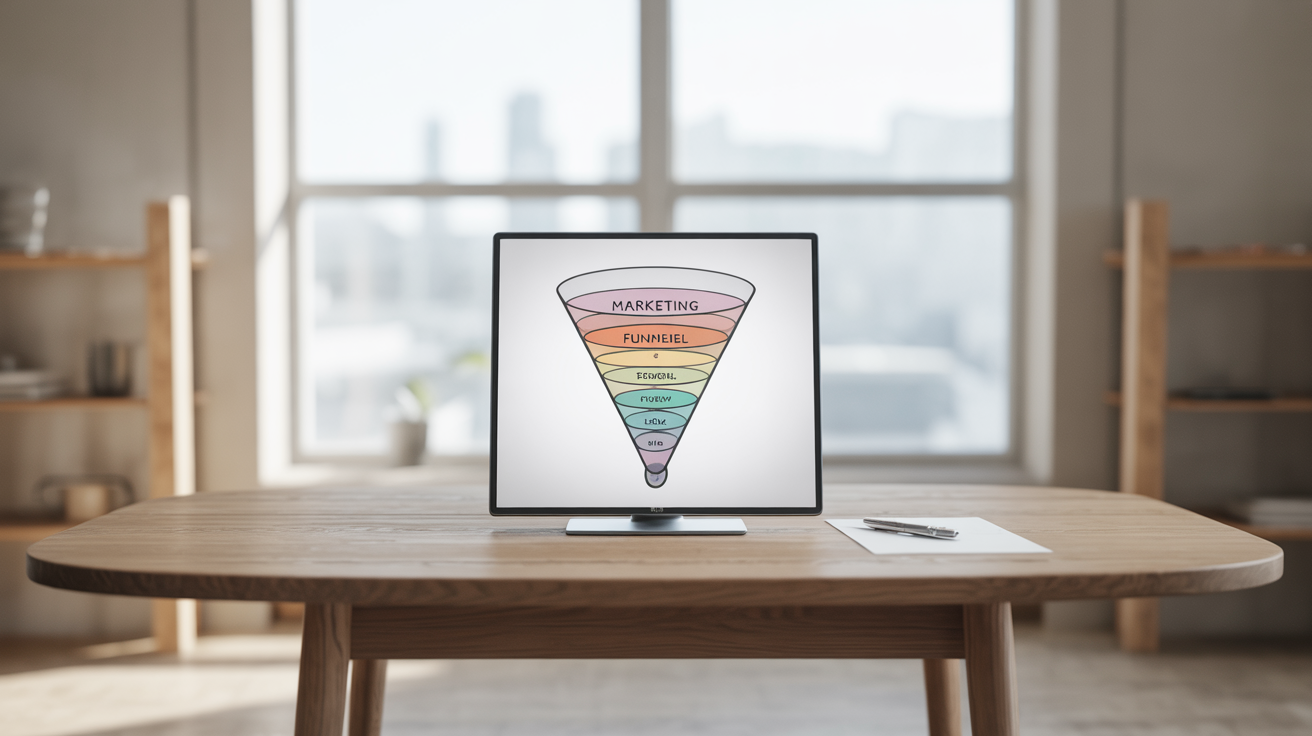
A blog funnel has four stages:
Stage 1: Attract (Top of Funnel)
Goal: Get the right people to your site.
Content types:
- SEO-optimized posts targeting problems your audience searches for
- Shareable content that spreads on social
- Guest posts and collaborations that bring new audiences
What readers think: “This is interesting. Who wrote this?”
Success metric: Traffic from target audience (not just any traffic)
At this stage, you’re not selling anything. You’re not even capturing emails yet. You’re just getting in front of the right people.
The mistake most people make: optimizing for volume instead of relevance. 10,000 visitors who’ll never buy is worth less than 1,000 visitors who might.
Stage 2: Capture (Lead Generation)
Goal: Convert visitors into subscribers.
Content types:
- Lead magnets (PDFs, templates, checklists, mini-courses)
- Content upgrades specific to individual posts
- Email opt-in offers throughout your site
What readers think: “This is valuable enough to give my email for.”
Success metric: Email subscriber growth rate
This is where most blogs fail completely. They attract readers but have no mechanism to keep them.
Without email capture, every visitor is a one-time event. You pay (in time or money) to get them there, they read, they leave, you start over.
With email capture, every visitor can become an ongoing relationship. You can nurture them over time. You can launch to them. You can sell to them repeatedly.
The rule: Every blog post should have a path to your email list.
Stage 3: Nurture (Middle of Funnel)
Goal: Build trust and move subscribers toward buying.
Content types:
- Email sequences that deliver value and build relationship
- Deeper blog posts that address objections and shift beliefs
- Case studies and proof that your approach works
What readers think: “This person really knows their stuff. I trust them.”
Success metric: Email engagement (opens, clicks, replies)
This is where the relationship develops. Your subscribers have given you permission to show up in their inbox. Use it wisely.
Nurture content isn’t about selling. It’s about what separates valuable content that converts from content that doesn’t generate leads:
- Demonstrating your expertise
- Addressing their fears and objections
- Showing them what’s possible
- Building genuine trust
The longer someone is nurtured well, the easier the eventual sale becomes.
Stage 4: Convert (Bottom of Funnel)
Goal: Turn subscribers into customers.
Content types:
- Sales pages and offer pages
- “Is this right for you?” decision-helper content
- Testimonials and case studies
- FAQ and objection-handling content
What readers think: “This is exactly what I need. I’m ready.”
Success metric: Conversion rate, revenue
By this stage, the heavy lifting is done. They know you. They trust you. They believe you can help them.
The conversion isn’t a hard sell—it’s an invitation. “Here’s how we can work together. Here’s what you’ll get. Here’s how to get started.”
Want to see the complete system in action? Get the free training to see how all four stages work together.
Building Your Blog Funnel: Step by Step
Step 1: Map Your Customer Journey
Before you write anything, understand the path from stranger to customer.
Answer these questions:
- What problem does my ideal customer have?
- What do they search for when trying to solve it?
- What do they need to believe before they’ll buy?
- What objections do they have?
- What proof do they need to see?
This map becomes your content strategy. Every piece of content should move them along this journey.
Step 2: Create Your Lead Magnet
You need something valuable enough that people will exchange their email for it.
Good lead magnets:
- Solve a specific, immediate problem
- Deliver quick wins
- Are easy to consume (not a 200-page ebook)
- Naturally lead toward your paid offering
Examples:
- A checklist or cheat sheet
- A template or swipe file
- A short video training
- A quiz or assessment
- A mini email course
Your lead magnet should be directly related to what you sell. If you sell a course on email marketing, your lead magnet should help with email marketing. This ensures everyone on your list is a potential customer.
Step 3: Build Your TOFU Content
Top-of-funnel content brings people to your site. Focus on:
Problem-aware keywords: What do your ideal customers search when they’re struggling with the problem you solve?
Question-based content: What questions do they ask before they know solutions exist?
Shareable formats: Listicles, how-to guides, mistakes posts, and comparison content tend to get shared and linked.
Each TOFU post should include:
- A relevant call-to-action for your lead magnet
- Internal links to your deeper (MOFU) content
- A path to continue the relationship
Step 4: Build Your MOFU Content
Middle-of-funnel content nurtures and educates. Focus on:
Solution-aware keywords: What do people search when they know solutions exist and are evaluating options?
Belief-shifting content: What false beliefs are holding them back from buying? Write posts that challenge those beliefs.
Framework and methodology content: What’s your unique approach? Teach it. Show why it works.
MOFU content is where you demonstrate expertise and build trust. These posts can be longer, more detailed, and more opinionated than TOFU content.
Step 5: Create Your Email Nurture Sequence
When someone joins your list, what happens next?
At minimum, you need a welcome sequence that:
- Delivers the lead magnet
- Introduces yourself and your story
- Provides additional value
- Addresses common objections
- Invites them to take the next step
This sequence can be 5 emails or 50, depending on your business. The key is that it runs automatically, nurturing new subscribers without manual effort.
Step 6: Build Your BOFU Content
Bottom-of-funnel content converts. This includes:
Your sales page or offer page: The actual page where people buy.
Supporting conversion content:
- Case studies proving your results
- FAQ pages addressing final objections
- “Is this right for me?” guides
- Testimonial collections
BOFU content assumes the reader is already warm. They know you, they trust you, they’re considering buying. Your job is to answer final questions and make the decision easy.
The Internal Linking Strategy
A funnel only works if readers can flow through it. Internal links are the pipes.
Link rules:
TOFU posts should link to:
- Your lead magnet (CTA)
- Related MOFU posts (deeper dives)
- Your main pillar pages
MOFU posts should link to:
- Your lead magnet (CTA)
- Your offer/sales page (when relevant)
- Related MOFU posts
- Pillar pages
BOFU pages should link to:
- Supporting proof (case studies, testimonials)
- FAQ content
- MOFU posts that address specific objections
Every post should answer: “What should the reader do next?” Then link to it.
Measuring Your Funnel
You can’t improve what you don’t measure. Track these metrics:
TOFU metrics:
- Organic traffic by post
- Traffic from target keywords (not just any keywords)
- Social shares and backlinks
Capture metrics:
- Email opt-in rate by post
- Lead magnet conversion rate
- List growth rate
Nurture metrics:
- Email open rates
- Email click rates
- Sequence completion rate
Conversion metrics:
- Sales page conversion rate
- Revenue per subscriber
- Customer acquisition cost from blog
When you know these numbers, you can identify bottlenecks. Is traffic good but opt-ins low? Fix your lead magnet or CTAs. Is your list growing but sales flat? Improve your nurture sequence.
Common Blog Funnel Mistakes
Mistake 1: No lead magnet
If you’re not capturing emails, you’re wasting traffic. Every visitor who leaves without subscribing is gone forever.
Mistake 2: Disconnected content
Random posts that don’t link together aren’t a funnel. They’re a blog. Map your content intentionally.
Mistake 3: Skipping nurture
Going straight from opt-in to sales pitch burns trust. People need time to know you before they buy from you.
Mistake 4: Only TOFU content
Lots of traffic, no conversions? You probably have too much top-of-funnel content and not enough middle and bottom. Balance your content mix.
Mistake 5: Weak CTAs
“Subscribe to my newsletter” isn’t compelling. “Get the free template that [specific outcome]” is. Make your CTAs specific and valuable.

Your Next Step
You now understand what separates a blog from a funnel.
The question is: what will you do about it?
Start by auditing what you have. Map your existing content to the four stages. Where are the gaps? Where are the dead ends?
Then pick one thing to fix:
- No lead magnet? Create one this week.
- TOFU content with no CTAs? Add them.
- No nurture sequence? Write a 5-email welcome series.
- No internal links? Spend an hour connecting your posts.
One fix leads to the next. Before long, you won’t have a blog anymore.
You’ll have a funnel. That’s what blogs that sell are built on.
Related Troubleshooting Guides
- SEO Traffic vs. Conversion-Focused Content — You don’t have to choose
- Blog Traffic Not Converting? — Diagnose why visitors aren’t becoming leads
- Lead Magnet Not Converting? — Fix your opt-in offers
- Why Your Blog Doesn’t Convert — Common conversion killers
- Sales Page Not Converting? — Fix your BOFU content
Ready to build a blog that actually generates revenue? See the complete Blogs That Sell system—the step-by-step methodology for turning your content into a sales machine.
Or start with the free training to get the core framework today.

About the Author
John Fawkes is a veteran copywriter with over 15 years of experience helping businesses turn attention into action through clear, persuasive writing. He writes about copy, psychology, and what actually moves people to buy.
Want More Posts Like This?
Get the free training that shows you how to write blog posts that rank AND convert.
Get the Free TrainingContinue Reading
Why Your Blog Traffic Isn't Converting (And How to Fix It)
You're getting traffic. But leads? Sales? Nothing. Here's why visitors read your blog and leave without taking action—and the fixes that actually work.
Copy That Nurtures: How to Move Cold Leads to Ready Buyers
Most leads aren't ready to buy today. Learn how to write nurture copy that builds relationship, establishes authority, and moves prospects from 'maybe someday' to 'take my money'—without being pushy.
Copy That Qualifies Leads: How to Attract Right-Fit Clients and Repel the Rest
Stop wasting time on bad-fit prospects. Learn how to write copy that pre-qualifies leads—attracting ideal clients while filtering out tire-kickers, price shoppers, and people you can't help.